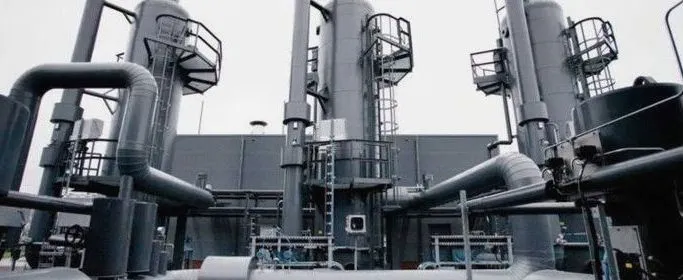
Over the past couple of decades, Europe has pursued some of the world’s most ambitious clean energy policies, aiming to become the first climate-neutral continent by 2050. Hardly surprisingly, Europe is now further along the clean energy transition compared to its western peers, with renewables accounting for roughly half of the continent’s power mix compared to about 26% by the U.S. However, Europe is now being forced to reckon with its decision to ditch some of its fossil fuel assets as yet another global energy crisis unfolds just years after the 2022 energy crisis. Over the past 20 years, Europe has aggressively phased down its oil refineries, shutting down about a quarter of its plants and reducing processing capacity by roughly 10%, with EU policymakers anticipating that the green transition would steadily shrink domestic demand for gasoline and diesel. A lot of the attrition was driven by onerous environmental rules and harsh penalties for non-compliance. To wit, under the EU Emissions Trading System (ETS), refineries face a declining cap on carbon emissions and receive fewer free pollution allowances over time, sharply increasing the cost of operating their facilities, while stricter environmental rules and pollution limits under the Industrial Emissions Directive (IED) mandate expensive retrofits and continuous compliance costs for heavy polluters, negatively impacting oil refining margins.
Consequently, the continent has been forced to rely more heavily on imported refined products, exposing it to geopolitical risks. The Iran and Ukraine wars have led to a spike in oil and gas prices, with EU Energy Commissioner Dan Jørgensen terming geopolitical instability and the prolonged diesel squeeze a “wake-up call” for the bloc. European natural gas prices shot past €100 per megawatt-hour on Friday, the highest level since Russia invaded Ukraine in 2022, as Middle East disruptions choked off LNG supplies through the Strait of Hormuz and on fears of a renewed hot war after the U.S. midterm elections. The energy shock has added more than €100 billion, or about $111 billion, to the continent’s import bills, exposing the vulnerabilities of dismantling domestic fossil-fuel infrastructure before clean alternatives were ready to handle a worst-case scenario.
Central European nations like Poland, Czechia, and Slovakia have been pressuring the European Commission to establish a long-term protective strategy for Europe’s oil refineries. They have called for refineries to be protected from carbon leakage and given access to EU funds to upgrade. They have argued that the EU’s strict climate rules could leave the bloc too dependent on foreign fuel imports, and demanded that Europe’s ETS should adequately factor in the international competition refineries face, easing administrative and financial conditions that hinder facility upgrades.
ADVERTISEMENT
And now, Brussels is looking to rethink its long-standing approach to the domestic oil-refining industry. On Wednesday, the European Commission launched the first High-Level Dialogue with the European oil refining sector. Co-chaired by Dan Jørgensen (Commissioner for Energy and Housing) and Andrius Kubilius (Commissioner for Defence and Space), the forum discussed Europe’s energy security, industrial competitiveness and defense readiness amid recurring geopolitical disruptions. Participants mapped out short-term responses to supply disruptions stemming from ongoing conflicts in the Middle East, noting that EU refineries currently supply approximately 70% of jet fuel and 85% of diesel consumed across Europe.
The initiative took a serious look at the security implications of Europe’s energy crisis, with Commissioner Kubilius emphasizing that fuel supplies are crucial for military mobility and overall defense readiness. Under NATO’s force readiness models, the alliance must be capable of deploying and fully supplying 100,000 troops within the first 10 days of a crisis, creating a large and sudden demand for tactical fuel.
The concern here is that crude oil imports cannot simply replace refined products during an active conflict if processing infrastructure is missing. Under the AccelerateEU framework, the EU will now revise current regulations to ensure strategic fuel stocks are easily accessible for military operations in exceptional circumstances. Kubilius also called for more resilient fuel infrastructure and for the expansion of the Cold War-era Central Europe Pipeline System to improve supply lines to the eastern flank.
Interestingly, the Commission also announced plans for a joint roadmap with the industry on the sector’s transformation, including investment in alternative fuels such as biofuels and e-fuels.
The policy pivot introduces a friction point between the bloc’s defense requirements and the EU’s long-term green transition. The EU now has to perform a delicate balancing act that addresses these harsh realities while pursuing its climate goals.
This post appeared first on https://oilprice.com